You place a personalized request, with your origin and timing.
We connect you to your personal travel agent.
You review selected deals and pick the best one.
You fly to your destination without overpaying.
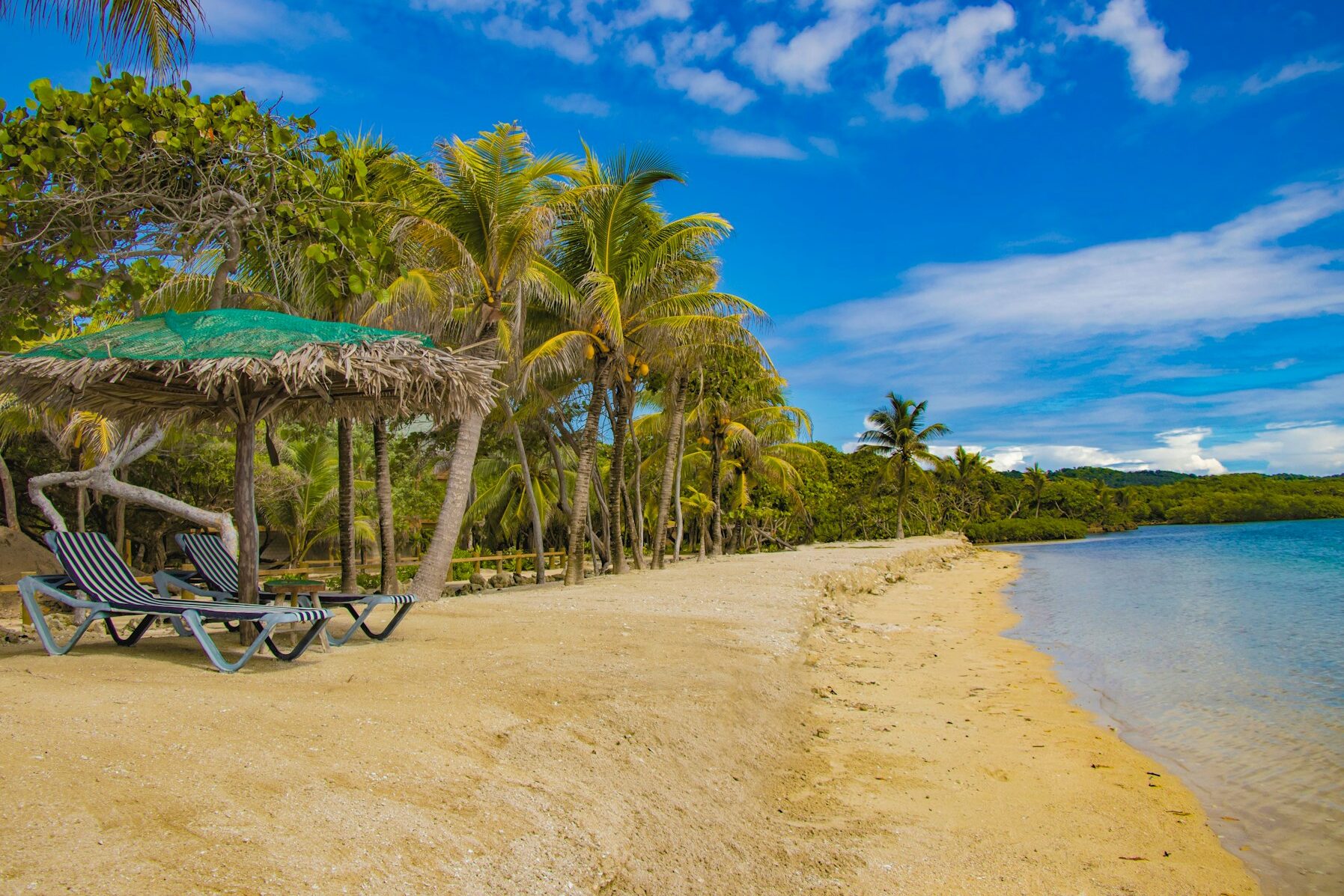
Honduras attracts travelers for two main reasons: Caribbean getaways and inland culture and nature. The Bay Islands, especially RoatÃĄn, are popular for beach time, snorkeling, and diving, while the mainland supports trips focused on archaeology, colonial towns, and national parks.
Flight planning matters because the best airport depends on your itinerary. San Pedro Sula and Palmerola cover most international arrivals and mainland routing, while RoatÃĄn is often the fastest choice if your trip is centered on the islands. Picking the right arrival airport can reduce connection time and simplify ground transfers.
Seasonality also plays a role, especially for the Caribbean side. Weather patterns differ between the north coast and the interior, so matching dates to the region you are visiting can improve both comfort and reliability.

Honduras has several key airports for international arrivals and regional access, including:
RamÃŗn Villeda Morales International Airport (SAP): Main gateway for northern Honduras and San Pedro Sula, with strong international coverage and easy access to the industrial corridor.
Palmerola International Airport (XPL): Primary airport for the central region and Tegucigalpa area, built to handle most international service for the capital region.
Juan Manuel GÃĄlvez International Airport (RTB): Best option for RoatÃĄn and the Bay Islands, ideal for island based itineraries.
GolosÃŗn International Airport (LCE): Serves La Ceiba and the north coast, useful for travelers connecting toward coastal areas and nearby attractions.
ToncontÃn Airport (TGU): Central Tegucigalpa airport used mainly for limited and domestic operations, with most international routing shifted to Palmerola.
| Season | Regions | Weather & tips |
|---|---|---|
| Dry season (Dec to mid Apr) | Tegucigalpa area, interior, south | Most reliable weather for mainland travel, higher demand, book earlier for winter dates |
| Island sweet spot (Mar to May) | Bay Islands and north coast | Better odds of drier conditions than mid winter, strong demand for RoatÃĄn trips |
| Rainy season (May to Oct) | Mainland and north coast | More frequent rain, plan buffer time for transfers and avoid tight connections |
| Post peak rains (Oct to Dec) | Mainland adventure regions | Conditions can improve after the heaviest rains, good window for rafting and outdoor trips |
Entry rules depend on nationality, but many travelers including US citizens can enter Honduras for tourism without a visa for stays up to 90 days, and Honduras participates in the CA 4 region where time in Guatemala, El Salvador, Honduras, and Nicaragua counts toward a combined stay allowance. Requirements can include passport validity, blank pages, and in some cases proof of yellow fever vaccination when arriving from certain countries.
A few practical steps can make Honduras flight planning smoother:
Best airport for your itinerary: RTB for RoatÃĄn and the Bay Islands, SAP for northern Honduras, and XPL for the Tegucigalpa region.
Avoid tight connections: Leave buffer time if you connect through a hub, especially during the rainy season.
Plan transfers realistically: Ground travel can take longer than expected on the mainland, so align arrival times with your transfer plan.
Consider multi city routing: Open jaw trips can reduce backtracking if you are combining the islands with a mainland stop.
Call for complex trips: Our experts can compare nonstop vs one stop options, connection windows, and airport combinations based on your schedule.
Our agents will compare the best flight routes and send options tailored to your travel dates.
8950 S 52nd St #309, Tempe, AZ 85284, USA